
Memory of War and Trauma in Bao Ninh’s The Sorrow of War and Naoki Hyakuta’s The Eternal Zero: A Comparative Study
Memory of War and Trauma in Bao Ninh’s The Sorrow of War and Naoki Hyakuta’s The Eternal Zero: A Comparative Study
Tran Thi Thuc*
ABSTRACT
In Vietnamese literature, the novel The Sorrow of War (1990) by writer Bao Ninh addresses the theme of soldiers with memories of horrific experiences during the war, where they constantly face death and endure both physical and psychological trauma even when they survive and return home. The memories of war haunt the soldiers, causing them pain and agony both physically and mentally. The novel The Eternal Zero (2006) by Japanese writer Naoki Hyakuta contains astonishing truths about Japanese kamikaze pilots during World War II, recounted through the vivid memories of those involved. They fight with all their might, unafraid of sacrifice, yet also deeply yearn to live and return home. The memories of war cling to the soldiers throughout their lives, making them seem like prisoners who cannot escape from those memories. The article analyzes the war experiences of soldiers through two works of Japanese and Vietnamese literature from a comparative perspective. It aims to identify the similarities and differences in how these works express memories of war, the experiences of war, and the processes of healing from traumatic memories and wounds. It examines how these experiences traumatize them mentally and how the writers use literature and art to heal these wounds. The memories of the war experiences of soldiers who directly engage in battle remain vivid and unforgettable, even decades after the war ends.
KEYWORDS: memory of war, trauma, traumatic memories, victim, The Eternal Zero, The Sorrow of War
Tran Thi Thuc, Lecturer, Faculty of Literature, University of Social Sciences and Humanities, Vietnam National University, Hanoi (thuctt@vnu.edu.vn).
DOI: 10.30395/WSR.202512_19(1).0002
Xem bài viết tại đây.Tác giả: Khoa Văn học
Ý kiến bạn đọc
Những tin mới hơn
Những tin cũ hơn
-
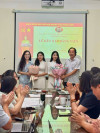 CHI BỘ KHOA VĂN HỌC TỔ CHỨC LỄ KẾT NẠP ĐẢNG VIÊN MỚI
-
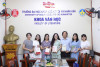 KHOA VĂN HỌC TĂNG CƯỜNG HỢP TÁC VỚI CÔNG TY CỔ PHẦN SÁCH OMEGA VIỆT NAM (OMEGA PLUS BOOKS)
-
 Lịch công tác tuần từ 03.8.2026 đến 09.8.2026
-
 KHOA VĂN HỌC TĂNG CƯỜNG HỢP TÁC VỚI QUỸ GIAO LƯU QUỐC TẾ NHẬT BẢN (THE JAPAN FOUNDATION)
-
 TỔNG KẾT BUỔI ĐÁNH GIÁ TỔNG THỂ LUẬN ÁN TIẾN SĨ CHUYÊN NGÀNH LÝ LUẬN VĂN HỌC - NGHIÊN CỨU SINH NGUYỄN THỊ THUỶ TIÊN
- Đang truy cập4
- Hôm nay1,345
- Tháng hiện tại62,610
- Tổng lượt truy cập441,192